7 Simple Ways to Avoid Car Ignition Repair
There is nothing quite like the sweet sound of your car’s engine turning over—it’s the perfect start to a smooth drive. But what happens when that familiar sound turns into an ominous, frustrating silence?
Ignition lock and switch failures can leave you completely stranded, facing expensive towing fees and dealership bills. Fortunately, you can steer clear of those pesky ignition repairs with just a little preventative care and daily attention.
Here are seven simple ways to keep your ignition cylinder in top shape and save money in the long run.
1. Keep Your Keys in Pristine Condition
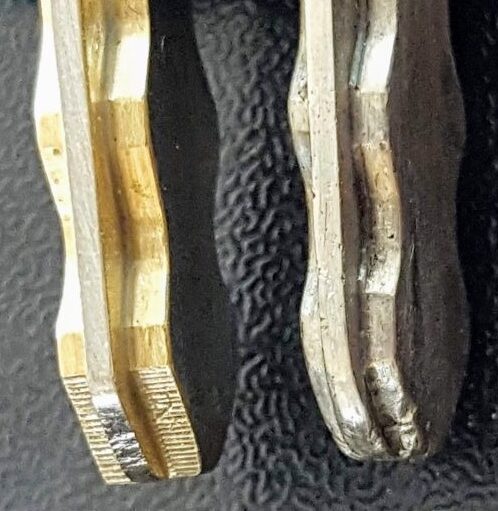
It might seem like a small detail, but the physical condition of your key plays a massive role in your ignition’s lifespan. Over time, keys get dropped, worn down, bent, or develop tiny cracks.
- The Problem: Inserting a warped or heavily degraded key forces the delicate internal wafers of the lock cylinder to sit at the wrong angles, slowly grinding down the ignition components every single time you start your car.
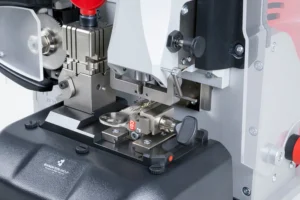
- The Fix: Make it a habit to check your key blade for smooth teeth, deep scratches, or bends. If you notice severe wear, it is much cheaper to have Quick Keys, LLC cut a fresh, factory-spec duplicate from scratch than it is to replace a ruined ignition lock assembly down the line.
2. Avoid Excessive Force When Turning the Key
We’ve all been there—you’re rushing to get somewhere in the Twin Cities metro and you hastily jam the key into the dash. It’s tempting to force it when you’re in a hurry, but resist the urge!
- The Problem: Forcing a stubborn key places immense mechanical strain on the steering column lock mechanism and the internal electronic ignition switch.
- The Fix: Treat your ignition with care and turn the key gently. If you feel resistance, don’t force it through. Instead, verify that your vehicle is fully in Park, gently rock your steering wheel left and right to relieve column pressure, and realign the key.
3. Check for Ignition Warning Signs Regularly
Your car rarely breaks down without dropping a few hints first. Pay close attention to how your ignition behaves during your daily commute:
- Do you hear grinding, clicking, or scraping noises when you turn the key?
- Does the cylinder feel unusually stiff, or require you to “jiggle” the key to make it turn?
- Do your dashboard lights flicker erratically when passing the accessory position?
These are all early indicators of a failing ignition cylinder or a wearing ignition switch. Catching these problems early allows you to schedule a quick on-site repair before you get permanently locked out or stranded.
4. Keep Your Ignition Cylinder Clean
Just like any other mechanical part of your vehicle, the ignition cylinder slot can accumulate dirt, dust, and debris over time.
How Debris Gets In | The Damage It Causes | How to Prevent It |
Pocket lint or dirt sticks to your key blade. | Grinds down the delicate internal lock wafers. | Quickly wipe your key clean before sliding it into the slot. |
Dust accumulates directly inside the keyway over time. | Blocks the key from sliding in or turning smoothly. | Periodically blow out the ignition slot using a compressed air canister. |
5. Be Mindful of Your Battery Health
A healthy automotive battery is absolutely crucial for your vehicle’s modern electronic ignition system.
- The Misconception: When a car hesitates to start or the dashboard lights dim heavily upon turning the key, many drivers assume the ignition hardware or starter is broken.
- The Reality: Often, the true culprit is simply battery terminal corrosion or a weak charge. Regularly check your battery connections to ensure they are tight and free of crust. Keeping your battery strong prevents electronic anti-theft modules from glitching when you try to start the car.
6. Manage the Weight on Your Keychain
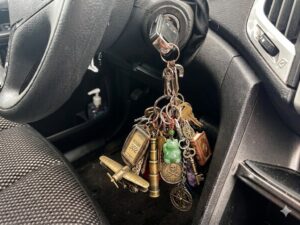
While keeping all your keys, house keychains, and decorative tags together is convenient, a heavy ring acts like a pendulum hanging from your dashboard.
- The Hazard: As you drive over bumps and take sharp turns around Spring Lake Park, that heavy weight pulls downward on your key blade, slowly warping the ignition lock cylinder out of alignment.
- The Solution: Keep your car key or electronic fob on a separate, lightweight ring, or use a quick-release clasp to keep your heavy keys detached while driving.
7. Know When to Call a Specialized Professional
If you start experiencing consistent issues—like difficulty turning the key, weird grinding noises, or a key that gets physically stuck in the “on” position—don’t wait until you need a tow truck.
Standard mechanic shops often look at a stuck ignition and order a massive, expensive steering column replacement. At Quick Keys, LLC, we take a more targeted approach. We can extract broken key fragments, rebuild lock cylinders, and cleanly replace faulty switches right on-site using advanced automotive locksmith tools.
Keep Your Ride Trouble-Free in the Twin Cities
Taking these simple steps will help you avoid the unexpected hassle, stress, and expense of car ignition repair. By keeping your keys in good condition, avoiding excessive force, and monitoring warning signs, you can ensure a smooth, reliable start for years to come.
If you do run into trouble, remember that Quick Keys, LLC is just a phone call away. Whether you want to stop by our storefront in Spring Lake Park or need our mobile service vans to come directly to your driveway in Blaine, Coon Rapids, or Minneapolis, we are ready to help! Contact us today for a fast, reliable estimate.