7 Simple Ways to Avoid Car Ignition Repair (And Save Hundreds)
It’s a scenario every driver dreads: you slide behind the wheel, insert your key, and… it won’t turn. Or worse, the key turns, but the engine completely refuses to crank.
Ignition lock cylinder and switch failures are incredibly common, but they are rarely sudden. Most ignition issues are caused by slow, unnoticeable wear and tear over months or even years.
At Quick Keys, LLC in Spring Lake Park, we see these failures daily. The good news? Most ignition repairs can be completely prevented with a few simple habit adjustments. Here are 7 foolproof ways to protect your ignition and avoid an unexpected repair bill.
1. Ditch the Heavy Keychain
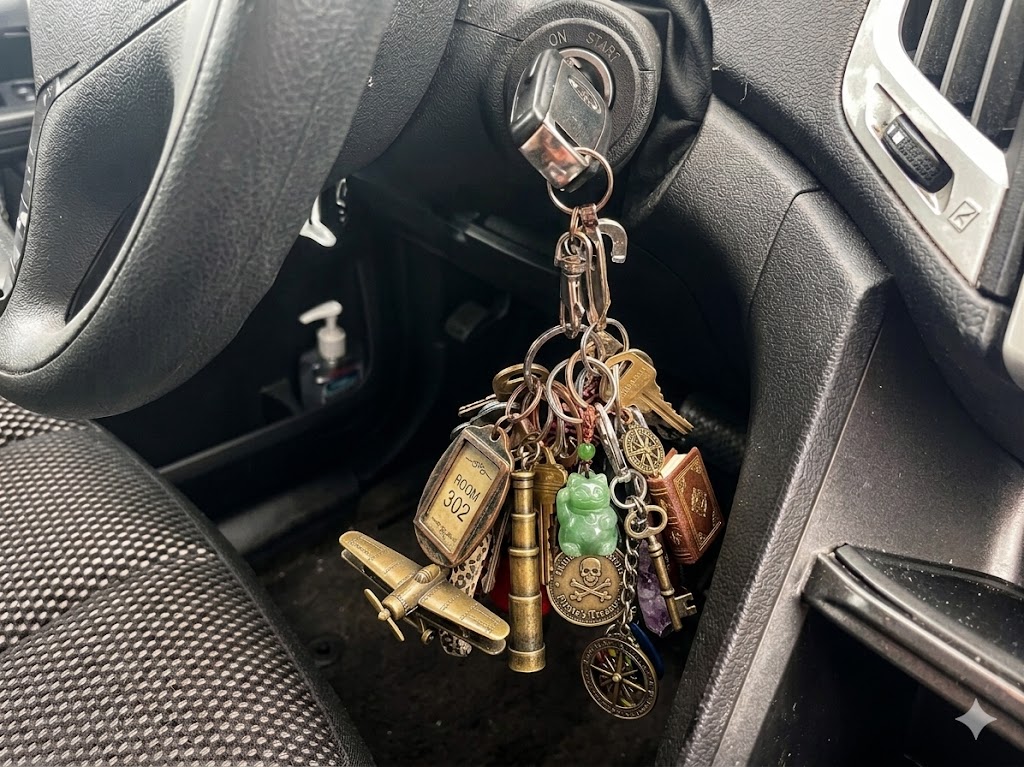
This is the number one cause of premature ignition failure. If your car key is attached to a heavy ring loaded down with house keys, gym tags, and decorative lanyards, you are actively damaging your car.
- The Damage: When you drive, the weight of that heavy keychain swings back and forth. This constant gravitational pull warps the internal tumblers inside the lock cylinder, eventually causing the mechanism to jam.
- The Fix: Keep your car key or fob on its own separate, lightweight ring, or use a quick-release clip to detach it from your heavy keys while driving.
2. Stop Forcing a Locked Steering Wheel
Minnesota drivers know the feeling: you turn the key, and it won’t budge because the steering column locked when you parked.
- The Damage: Jerking or forcing the key with brute force will not unlock the car—it will simply snap the metal key blade off inside the ignition cylinder or twist the internal components.
- The Fix: Gently rock the steering wheel left and right with one hand while smoothly turning the key with the other. This relieves the mechanical pressure on the lock pin safely.
3. Use the Correct Lubricant (Never WD-40)
With our extreme Minnesota winters, moisture can get trapped inside door and ignition locks, causing them to stick. While lubricating them is an excellent preventative step, using the wrong product will ruin them.
- The Danger: Never use oil-based lubricants like standard WD-40 inside an ignition cylinder. Oil attracts dust, lint, and pocket debris, turning into a sticky paste that permanently jams the internal wafers.
- The Fix: Only use a dedicated dry graphite lubricant or a specialized high-quality silicone spray designed for electronic locks.
4. Replace Worn-Out Keys Early
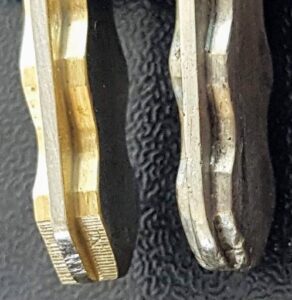
Over time, the smooth tracks or jagged teeth on your key slowly wear down from rubbing against the lock pins.
- The Danger: If you have to jiggle, wiggle, or pull your key slightly out of the ignition to get it to turn, your key is worn out. Continuing to use a degraded key will quickly destroy the internal lock cylinder.
- The Fix: It is vastly cheaper to have Quick Keys, LLC cut a fresh, factory-spec duplicate key than it is to replace an entirely ruined ignition assembly down the line.
5. Keep Your Ignition Free of Debris
Your ignition slot isn’t a storage bin, but it’s surprisingly easy for debris to sneak in. Dirt from your pockets, tobacco ash, or spilled coffee can easily find its way into the keyhole.
- The Fix: Periodically inspect your key before inserting it. If your key has pocket lint or dirt stuck to it, wipe it off cleanly before sliding it into the dash.
6. Never Bypass a Stuck Lock with “DIY” Tricks
If an ignition switch fails, you might find online videos showing how to “hotwire” or mechanically bypass the lock with a screwdriver or drill bit.
- The Reality: On any modern vehicle, attempting this will instantly trip the vehicle’s passive anti-theft immobilizer system, completely “bricking” the car’s computer network.
- The Fix: If your key gets physically stuck, leave it alone and call a specialist. Attempting to force it out usually results in a much more expensive electronic module replacement.
7. Work with a Specialized Automotive Locksmith
Standard repair shops often look at a stuck ignition and immediately order an entire replacement steering column assembly from the manufacturer, costing you a fortune.
Specialized automotive locksmiths look at the problem differently. At Quick Keys, LLC, we can safely extract broken key fragments, rebuild or re-key your existing ignition cylinder on-site, or cleanly replace a faulty ignition switch without damaging your car’s digital anti-theft modules.
Ignition Acting Up in the Twin Cities?
Don’t wait until you’re completely stranded in a parking lot. If your key is getting sticky or hard to turn, bring your vehicle by our storefront in Spring Lake Park or schedule an appointment for our mobile service vans to come straight to your driveway in Blaine, Coon Rapids, Minneapolis or anywhere i.
Contact Quick Keys, LLC today for a fast, reliable estimate!
Frequently Asked Questions About Car Ignitions
Q: Why does my car key turn in the ignition, but the engine won’t start or crank?
A: If the key physically turns but nothing happens, you likely have an electrical issue rather than a mechanical mechanical lock failure. This is often caused by a faulty ignition switch (the electrical component behind the lock cylinder) or a failure in the vehicle’s anti-theft system. If the car’s computer doesn’t detect the correct digital password from your key’s transponder chip, it will block the engine from cranking.
Q: My key is completely stuck in the ignition and won’t turn back to the “off” position. What should I do?
A: First, verify that your vehicle is fully in “Park.” Many modern automatic transmissions have an electronic interlock feature that locks the key in place if the shifter isn’t completely engaged in Park. If that doesn’t work, do not use pliers or force to twist it, as you will snap the blade off inside. Call Quick Keys, LLC—we can perform an emergency on-site ignition repair to extract the key safely without damaging your steering column.
Q: Can a locksmith replace an ignition cylinder, or do I have to tow my car to a mechanic?
A: You absolutely do not need a mechanic or a tow truck! In fact, going to a general mechanic often costs more because they typically buy a whole new matching lock set from a dealer. At Quick Keys, LLC, our mobile vans carry specialized lock-rebuilding kits. We can replace or rebuild your ignition right in your driveway and program it to match your existing keys so you don’t have to carry two different keys for your doors and ignition.
Q: How much does it cost to fix a sticky or broken car ignition?
A: The cost varies depending on the vehicle’s year, make, and model, as well as whether the issue is a simple mechanical tumble jam or a complex electronic switch failure. Generally, having an automotive locksmith repair or replace an ignition cylinder runs between $200 and $500. This is significantly cheaper than a dealership, which often charges a premium for parts plus expensive towing and labor fees.
Q: Will replacing my ignition mean my old car keys won’t work anymore?
A: Not when you work with a professional automotive locksmith. When we install a new ignition lock cylinder, we can manually “re-key” the new lock to match your original factory keys. This ensures your existing keys will still seamlessly unlock your doors, open your trunk, and start your vehicle.