What to Know About Car Key Programming Before You Start
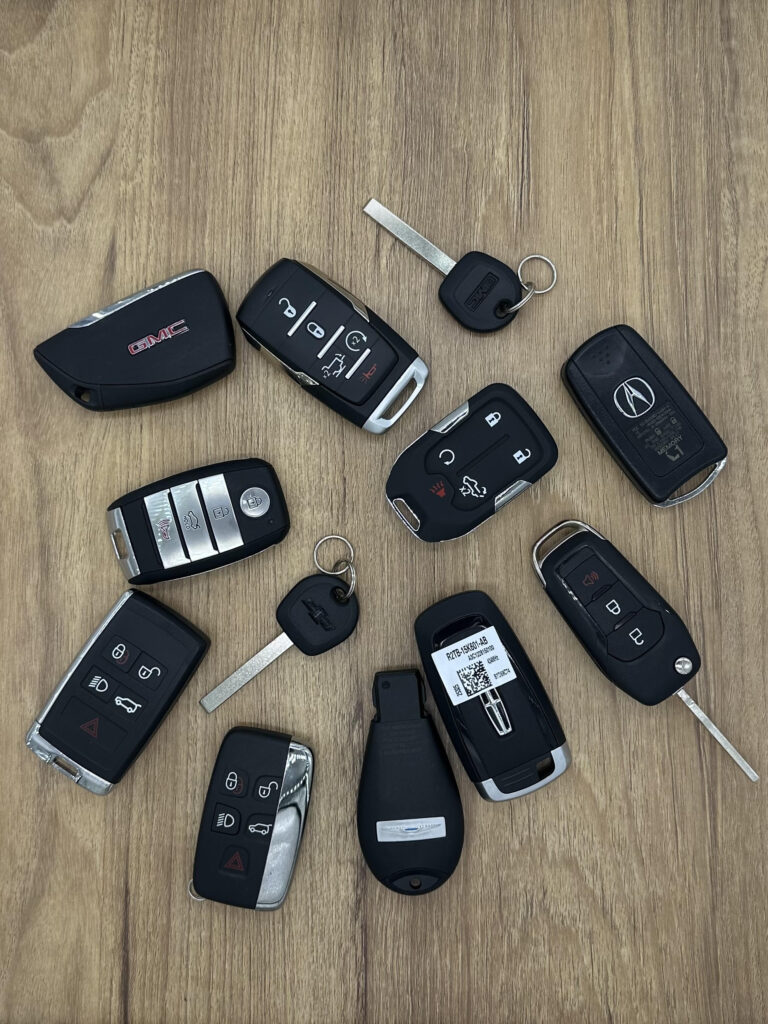
In the “good old days,” getting a car key made was as simple as finding a hardware store with a grinder. Today, the physical cut of the key is only about 10% of the job. The rest happens digitally.
If you’re looking to add a spare key or replace a lost one, there are a few things you need to understand about the “digital handshake” between your key and your car. Here is our essential guide to car key programming.
1. It’s Not Just a Key—It’s a Computer
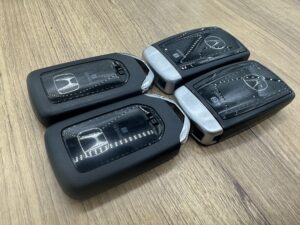
Almost every vehicle built after the year 2000 uses a transponder system. Inside the plastic head of your key (or inside your fob) is a tiny microchip. When you put the key in the ignition, the car sends a pulse of energy to that chip. If the chip doesn’t “shout back” the correct digital password, your car simply won’t start—even if the key turns perfectly.
2. The OBD-II Port is the Gateway
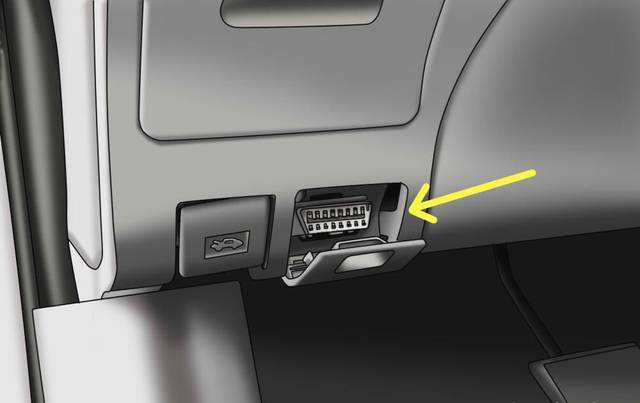
Most programming happens through your car’s Diagnostic Port (OBD-II), usually located under the dashboard.
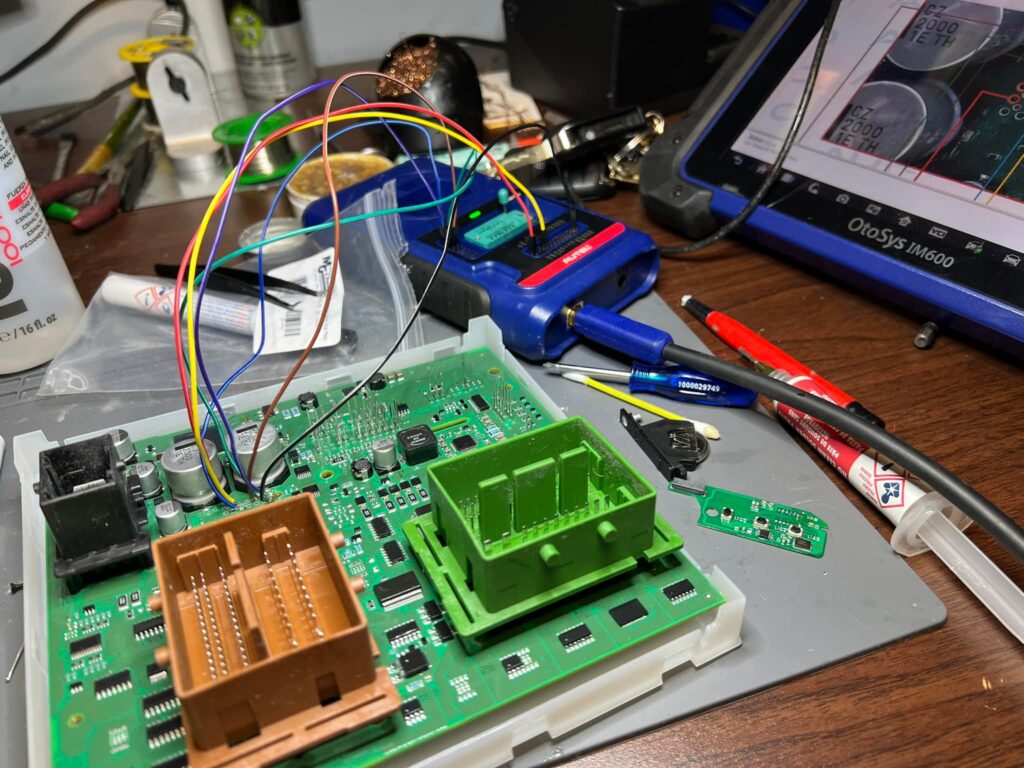
- The Process: We plug in specialized OEM-level computers that talk to your car’s Engine Control Unit (ECU).
- The Security: This is a high-security process. In many cases, we have to bypass “security wait times” or enter specific PIN codes that we pull from secure manufacturer databases.
3. The Risk of "DIY" Programming Kits
You may see “easy DIY programming” kits online for $50. While these work for some older, basic models, they come with significant risks for modern vehicles:
- Wiping Existing Keys: Some cheap tools accidentally erase your working key while trying to add a new one, leaving you completely stranded.
- Incompatible Chips: A key might look identical but use a different frequency (like 315MHz vs 433MHz). If the frequency is wrong, it will never program.
- Voltage Drops: Professional locksmiths like Quick Keys, LLC use “battery maintainers” during complex programming. If your car battery voltage drops while the computer is being flashed, it can “brick” (permanently damage) your car’s computer.
The Quick Keys Programming Checklist
Before you call us or buy a key, have this info ready to ensure a smooth process:
- Is your battery healthy? A weak battery is the #1 cause of programming failure.
- Is your ignition healthy? If the ignition cylinder is loose or damaged, the “antenna” inside might not be able to read the new chip.
- Do you have any working keys? “Adding” a key is usually faster and cheaper than “Generating” a key when all are lost.
- Did you make sure to tell the locksmith your correct Year, Make, and Model? Not all programming procedures are the same, even if it’s the same vehicle but a different year.
Why Professional Programming Matters in Minnesota
Our Minnesota winters are brutal on electronics. At Quick Keys, LLC, we don’t just “hit a button.” We verify that the transponder is synced, the remote keyless entry is functional, and that your car’s security system is healthy.
We bring our mobile lab to Spring Lake Park, Inver Grove Heights, Minneapolis, and beyond, ensuring your car’s “digital brain” is handled with expert care.